Personal view

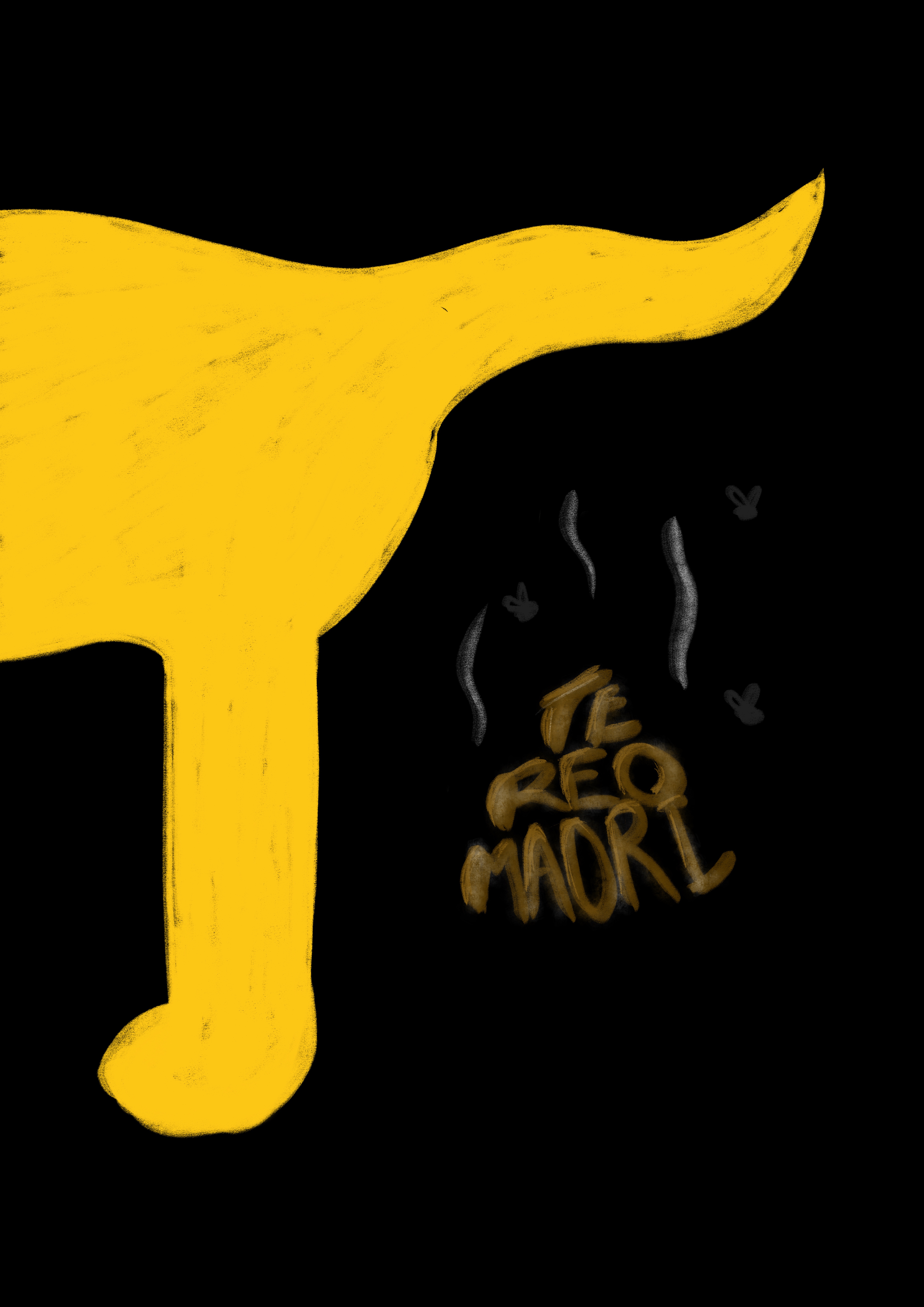
In research of the Ihumātao project, I have been opened to another perspective on the topic and have learned more ways in which Te Reo is beneficial for the youth of NZ. During the Ihumātao protest there were debates between the kaumatua of the iwi and the rangatahi, where the kaumatua were telling the iwi to leave the protest and the rangatahi were obviously against this. As the kaumatua are the elders and most knowledgeable they hold a strong stance in the iwi and essentially make all of the descisions. Generally speaking, Kaumatua are very traditional and hold onto old practices and beliefs. I believe this is very important but it’s also extremely important to be aware of the current social structures and not be so sheltered which creates a devide between Maori and pakeha. Kaumatua are approached by the political parties to ask if they want to take part in descision making for things that regard land etc. But they don’t want to take part at all. In the future, when the rangatahi are old enough to take the kaumatua place, Maori poeple will be far more involved and have more of a say in political descision making and New Zealand in general. So this is why learning te reo would be an amazing skill to have as the Maori world is on it’s way up the hierarchy.

” local kaumātua Te Warena Taua from Te Kawerau a Maki, who gave his blessing for the housing development to go forward, said Ms Newton and her cousins were disrespecting their elders by not moving on from the site.” – https://www.noted.co.nz/currently/social-issues/ihum%C4%81tao-protest-kaum%C4%81tua-and-rangatahi-split-over-development/
Research

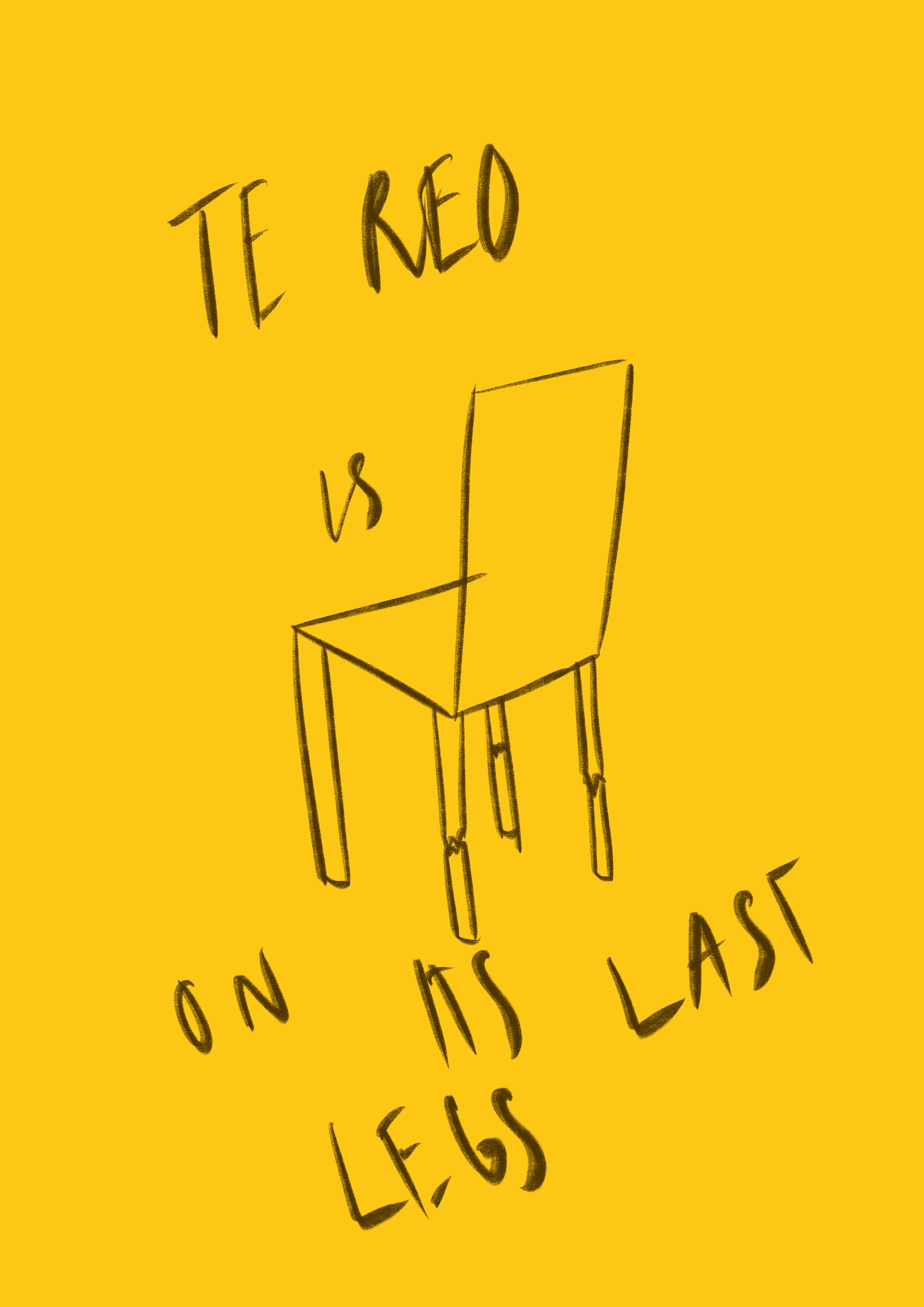
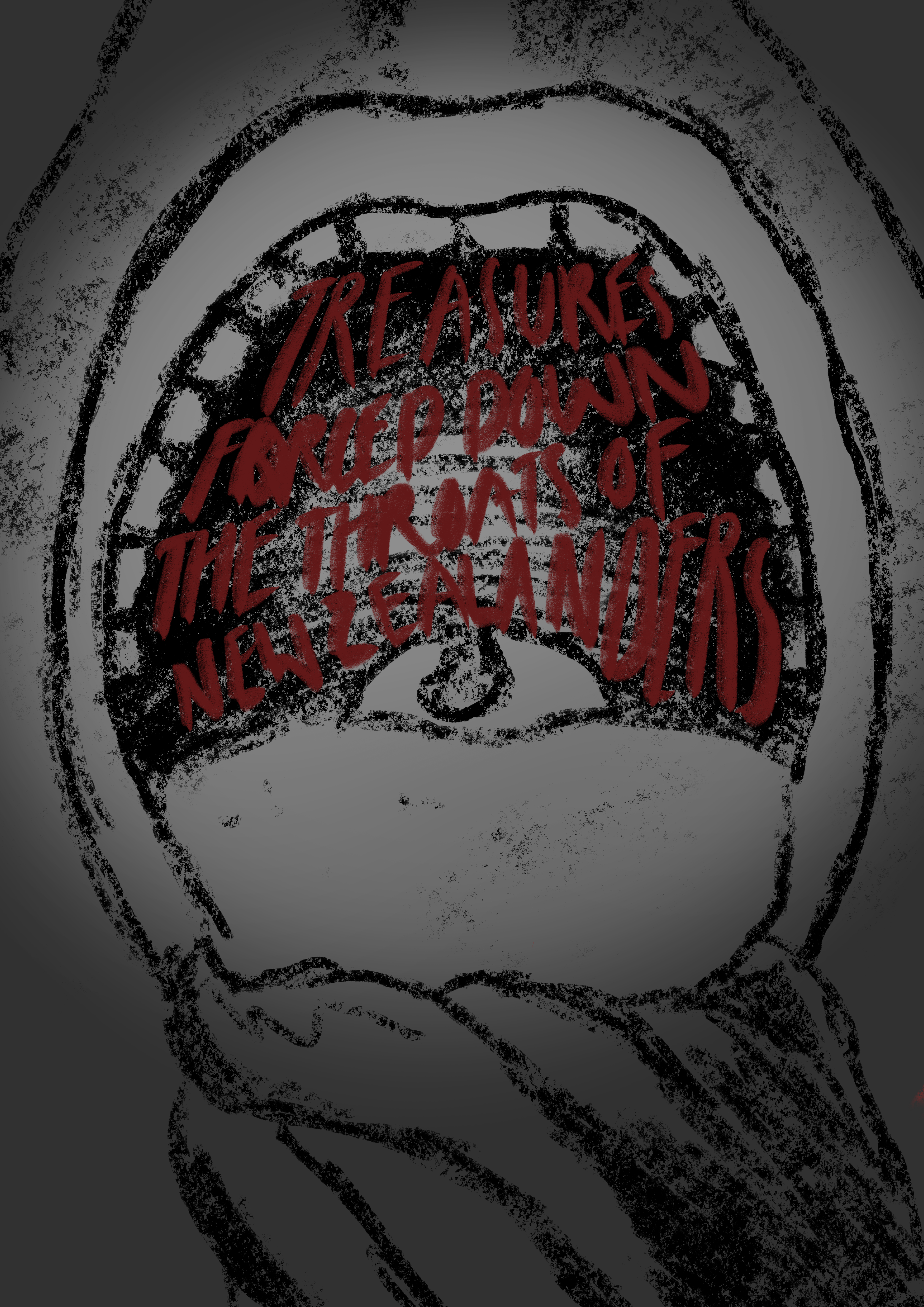
Problem: Te Reo isn’t being as embraced as it should be

People saying it’s on the rise up but in my day to day experience as a New Zealander I barely hear anyone speak Māori.

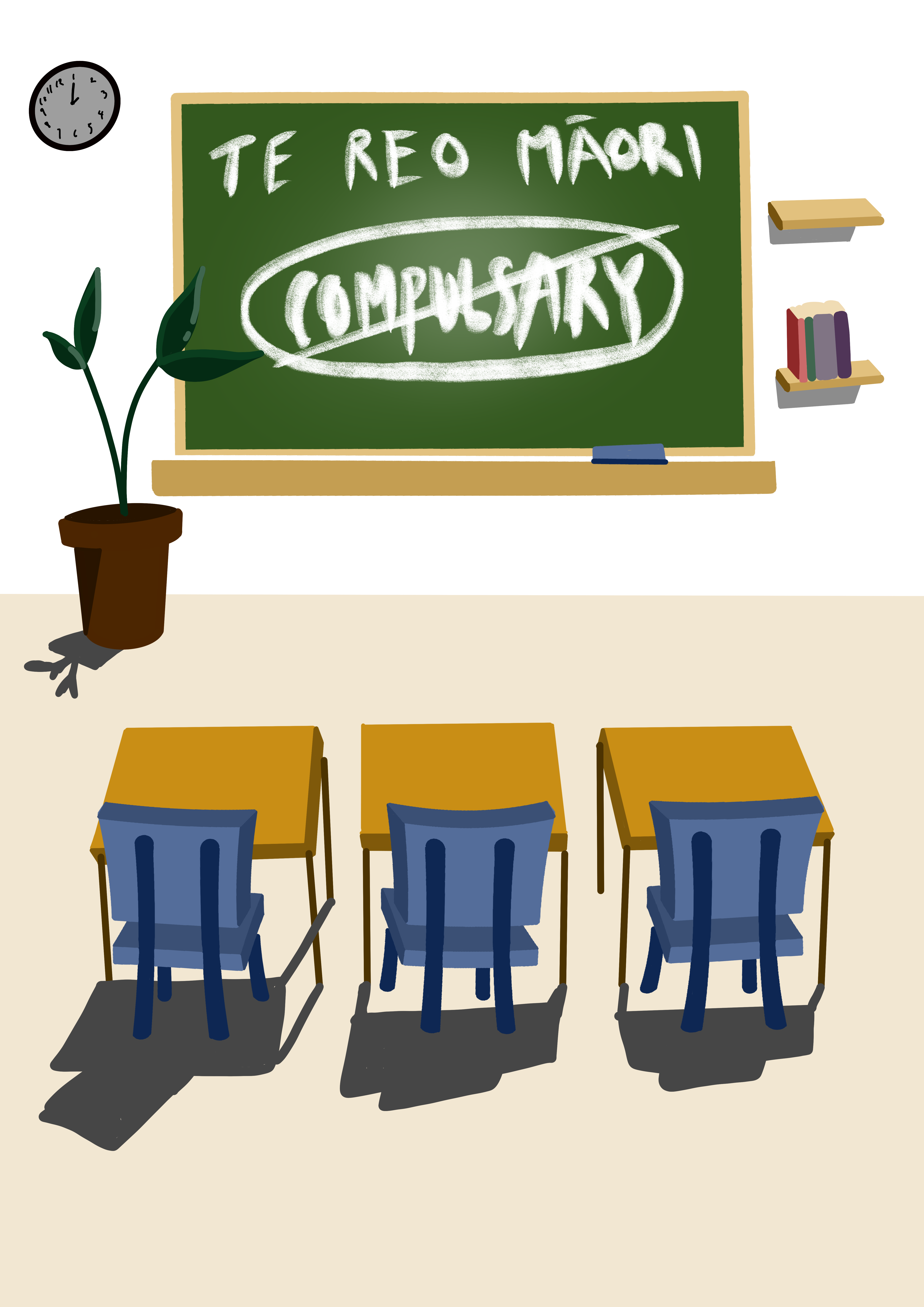
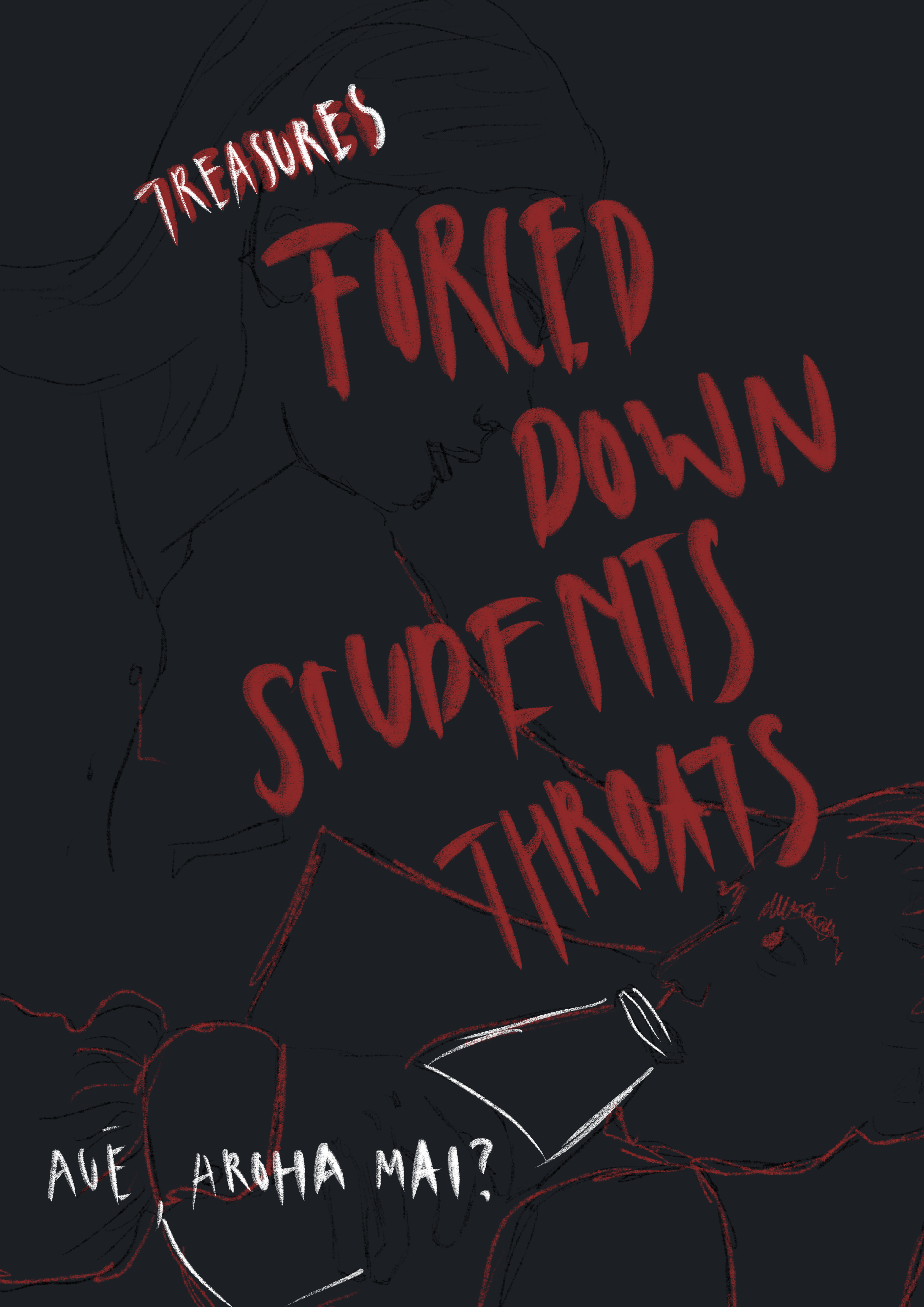
Arguments and debates have been going on for years about how necessary Te Reo Māori is to New Zealanders. “Learning in schools must be about more than promoting things, Maori is not an international language it is not a language of trade or business so why should it be forced on all?” – Mike Hosking 9 May 2018. Māori businesses have an economic asset base of close to 50 billion dollars and research shows that one valued key competency in that area is knowledge of Te Reo Māori (Kelly). But what I struggle to understand is how all our country focuses on in this area is the tactical and economic benefit it has for us. Where this is very important, I believe this is just as important as learning about Te
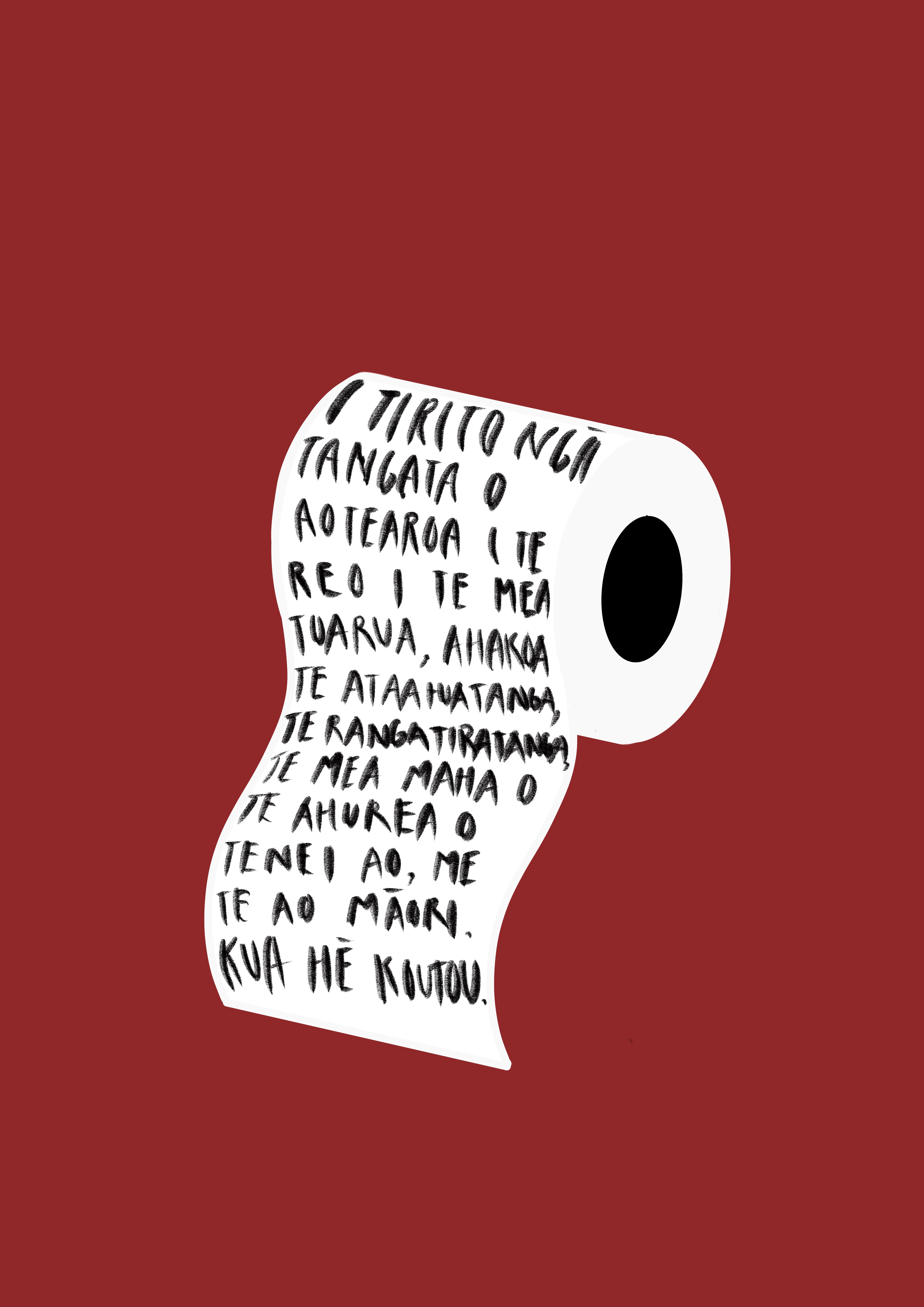
Āo Māori in respect of the land we live on. Less than 1% of non-Māori could speak Māori in 2001, and only 10% indicated that learning Te Reo Māori is a high priority for them. These low figures are indication of how much New Zealand needs help embracing our native language and how much they need to be convinced that Te Reo is worth revitalising and learning. Māori have shown mana (strength) and resilience in maintaining Te Reo regardless of the European dominated society ultimately banning the right to speak it in the 1980s. This justifies why it’s worthwhile and if
not a necessity to revitalize it now.

Articles:

https://www.vice.com/en_nz/article/zm8jy9/the-problem-with-pushing-for-te-reo-maori-in-every-space-available

https://www.noted.co.nz/currently/social-issues/ihum%C4%81tao-protest-kaum%C4%81tua-and-rangatahi-split-over-development/

https://www.metromag.co.nz/society/society-schools/why-making-te-reo-mori-a-core-subject-is-not-as-simple-as-it-seems

https://www.stuff.co.nz/national/politics/106944763/green-party-starts-new-push-for-compulsory-te-reo

https://www.stuff.co.nz/national/106924911/the-question-of-compulsory-te-reo-maori-in-schools

Statistics:

https://figure.nz/chart/BRPaE1bC4nnAt1Pt-jq9OQbFWwUdDtjFV

https://www.stats.govt.nz/information-releases/te-kupenga-2013-english?gclid=CjwKCAjw7O_pBRA3EiwA_lmtfr0-LFJLcufY1nWQMHJfRg_XcSPvfSGd_DiZNAm6z9PPQtqEmBuWTBoCwLcQAvD_BwE

Māori language week: https://www.tewikiotereomaori.co.nz/

“Te Reo Māori is living, dynamic and rich. As you learn, you appreciate that diversity is the key to wellbeing and unity.”

September 9th – 15th 2019

A good start for people of New Zealand to become educated and involve themselves with the language of our indigenous people and our ancestors.

Introduce Yourself (Example Post)

This is an example post, originally published as part of Blogging University. Enroll in one of our ten programs, and start your blog right.

You’re going to publish a post today. Don’t worry about how your blog looks. Don’t worry if you haven’t given it a name yet, or you’re feeling overwhelmed. Just click the “New Post” button, and tell us why you’re here.

Why do this?

  • Because it gives new readers context. What are you about? Why should they read your blog?
  • Because it will help you focus you own ideas about your blog and what you’d like to do with it.

The post can be short or long, a personal intro to your life or a bloggy mission statement, a manifesto for the future or a simple outline of your the types of things you hope to publish.

To help you get started, here are a few questions:

  • Why are you blogging publicly, rather than keeping a personal journal?
  • What topics do you think you’ll write about?
  • Who would you love to connect with via your blog?
  • If you blog successfully throughout the next year, what would you hope to have accomplished?

You’re not locked into any of this; one of the wonderful things about blogs is how they constantly evolve as we learn, grow, and interact with one another — but it’s good to know where and why you started, and articulating your goals may just give you a few other post ideas.

Can’t think how to get started? Just write the first thing that pops into your head. Anne Lamott, author of a book on writing we love, says that you need to give yourself permission to write a “crappy first draft”. Anne makes a great point — just start writing, and worry about editing it later.

When you’re ready to publish, give your post three to five tags that describe your blog’s focus — writing, photography, fiction, parenting, food, cars, movies, sports, whatever. These tags will help others who care about your topics find you in the Reader. Make sure one of the tags is “zerotohero,” so other new bloggers can find you, too.

Design a site like this with WordPress.com
Get started